Shri Hari Plaza, New Gulmandi Rd, Chhatrapati Sambhajinagar, 431001
Edit Template
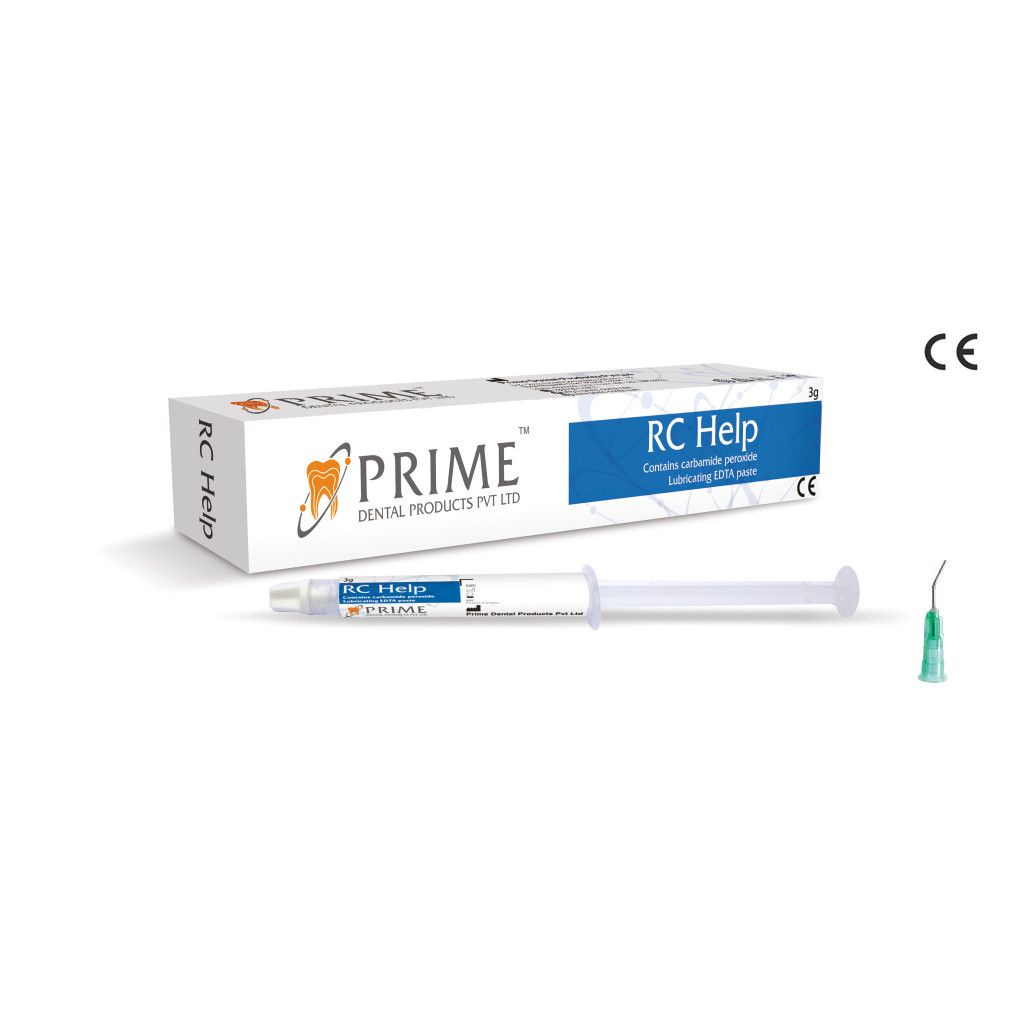
RC Help
A root canal (endodontic therapy) treats an infected or inflamed tooth pulp—the innermost layer of your tooth—to remove pain and save the tooth, typically instead of extraction.
Product Overview
The DPEX V is Woodpecker’s 5th/6th-generation multi-frequency apex locator featuring DSP processing, a vibrant 4.5″ color LCD, apical stop settings, and a robust digital circuit. It delivers highly accurate measurements even in challenging canal conditions, enhancing efficiency and safety during root canal treatment.
🛠️ Tips Before & After Treatment
Eat beforehand – don’t go on an empty stomach
Painkillers & Antibiotics – take as prescribed to manage pain or infection
Avoid smoking & alcohol – they impair healing
Rest and hydration – ensure proper rest and plenty of water.
Use magnification & lighting – essential for clinicians performing the procedure
🔬 Step-by-Step Procedure:
Diagnosis & X-rays Your dentist takes radiographs and tests (like cold or electric pulp testing) to confirm infection and plan the procedure
Local Anesthetic The area around the tooth is numbed (typically with lidocaine) so the procedure is painless .
Isolation with Rubber Dam A rubber dam isolates the tooth, keeping it clean and preventing ingestion of chemicals or instruments
Access Opening A small hole is drilled in the tooth crown to reach the infected pulp
Removal of Pulp and Shaping Infected tissue is removed using tiny files; canals are cleaned, enlarged, shaped, and irrigated to remove debris and bacteria
Disinfection and Medication Often sodium hypochlorite or similar disinfectants are used to sterilize canals; a medicated dressing may be placed for multi-step treatment
Filling with Gutta‑Percha Canals are sealed with gutta‑percha and adhesive cement to prevent reinfection
Temporary Seal A temporary filling is placed until the permanent restoration is ready
Final Restoration (Crown or Filling) A permanent filling or crown is later placed to protect and restore chewing function
TL;DR (for Patients)
Root canals relieve pain by removing infected pulp, clean and seal the tooth internally.
They’re done under local anesthesia—usually comfortable—completed in 1–3 visits.
Expect minor soreness, but with a proper crown and care, your tooth can last for decades.
✅ Preventing Complications & Tips for Clinicians
Use ample irrigants; keep canals lubricated to reduce debris and file fracture .
Establish a glide path and use Ni‑Ti files appropriately to avoid ledging or transportation
Ensure correct access and isolation to prevent instrument separation or disinfection failure.
🩺 When to Call Your Dentist
If you experience:
Persistent swelling or severe pain
High fever or abscess formation
Pain lasting more than a few days after treatment …contact your dentist or endodontist promptly
📅 What to Expect After
Soreness is common for a few days — OTC pain relievers (ibuprofen, acetaminophen) usually suffice.
Soft diet — avoid chewing hard or hot foods on the treated side until permanent restoration is placed
Follow-up visit is essential to place a crown or permanent filling
Long-term success – With proper care, 90–97% of root canal–treated teeth last 8–10+ years
We are a reliable dental distributor offering quality equipment and supplies to support dental professionals with trusted solutions.